
Inflammatory
What is Inflammatory Arthritis?
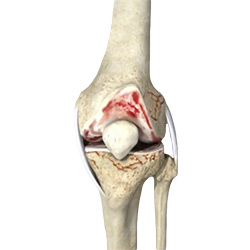
Inflammation of the joints is referred to as arthritis. The inflammation arises when the smooth covering (cartilage) at the end surfaces of the bones wears away. In some cases, the inflammation is caused when the lining of the joint becomes inflamed as part of an underlying systemic disease. These conditions are referred to as inflammatory arthritis. It is an autoimmune disease because it occurs when your immune system, which normally fights against infection, starts destroying healthy joints.
What Causes Inflammatory Arthritis?
Cause of inflammatory arthritis is mainly attributed to genetic factors. Genes play a major role in causing inflammatory arthritis. Another important factor is environmental which includes viral infections. Smoking cigarette, stress, hormones, and infectious agents are some of the other factors that can be a trigger for the condition.
What are the Symptoms of Inflammatory Arthritis?
Inflammatory arthritis is mainly characterised by aching pain, joint tenderness, morning stiffness, warmth, and swelling. Symptoms are not localised to the damaged joint since it affects the entire body, you may also experience fever, inflammation of the eye, weakness, organ damage, loss of hair, dry mouth and skin rashes.
How is Inflammatory Arthritis Diagnosed?
Inflammatory arthritis can be diagnosed by a physical examination and by reviewing your medical history. X-rays, laboratory tests and other imaging tests may be ordered to diagnose or rule out other conditions. X-rays may show thinning or erosion in the bones or loss in joint space. Laboratory studies will show the presence of a rheumatoid factor or other antibodies.
How is Inflammatory Arthritis Treated?
Treatment mainly involves a conservative approach. Your doctor may prescribe several drugs which include disease-modifying anti-rheumatic drugs (DMARDs), biologic agents (newer DMARDs), non-steroidal anti-inflammatory drugs (NSAIDs) and steroids. The DMARDs reduce the body’s immune response against the joints, whereas the NSAIDs and steroids reduce swelling and pain. Corticosteroids stop the inflammation that threatens the internal organs or joints. Another treatment involves exercise programs to retain mobility and strength. Surgical treatment is rarely considered in this condition.
Rheumatoid Arthritis
What is Rheumatoid Arthritis?
Rheumatoid arthritis is a chronic inflammatory disease in which the lining of your joints becomes inflamed, causing pain, swelling, and stiffness. It is an autoimmune disease because it occurs when your immune system, which normally fights against infection, starts destroying healthy joints. Severe rheumatoid arthritis can be very painful and even cause a deformity in a joint. It also affects your ability to perform routine activities.
Causes of Rheumatoid Arthritis
In rheumatoid arthritis, the immune system attacks the synovium, the membrane that lines the joints. Why this happens is unclear. It could be genetic or triggered by a bacterial or viral infection. The inflamed and thickened synovium damages the cartilage and bone as well as the other structures surrounding and supporting the joint. There is a weakening of the tendons and ligaments and eventually, the joint becomes deformed and out of alignment.
Rheumatoid arthritis can affect anyone, but it occurs more often in women, between the ages of 40 to 60, those who are obese and smokers.
Symptoms of Rheumatoid Arthritis
The symptoms of rheumatoid arthritis often affect the small joints of the hands and feet, and later spread to the larger joints such as the shoulders, elbows, hips, and knees. Both sides of the body are usually affected. Symptoms include:
- Swelling, warmth, and tenderness at the joints
- Joint stiffness that is worse in the morning, or after periods of rest or inactivity
- Fever
- Fatigue
- Weight loss
The symptoms may vary in severity. They sometimes flare up or worse, and at other times, are controlled (in remission). The joint deformity occurs at a later stage.
Rheumatoid arthritis may also affect other structures of the body such as the skin, eyes, salivary glands, lungs, heart, blood vessels, bone marrow, kidneys, and nerves.
Complications Associated with Rheumatoid Arthritis
If you have rheumatoid arthritis, you are more likely to develop the following conditions:
- Osteoporosis, both from rheumatoid arthritis as well as its treatment
- Infections due to an impaired immune system
- Heart problems due to inflammation of the surrounding membranes
- Lung disease due to inflammation and scarring of the lung tissue
- Carpal tunnel syndrome
- Tissue lumps or growths called rheumatoid nodules
- Increased body fat
- Blood cancers originating in the lymphatic system
Diagnosis of Rheumatoid Arthritis
To diagnose rheumatoid arthritis, your doctor will review your symptoms and medical history, and perform a physical examination of your joints as well as your reflexes and strength. Diagnosis is difficult in the early stages as there are no definitive tests or physical findings for rheumatoid arthritis, and symptoms may be common to other conditions
Your doctor may order:
- Blood tests that detect inflammation in the body
- Imaging tests such as X-rays, ultrasound or MRI to view the joints and check the progress of the disease
Treatments for Rheumatoid Arthritis
Several treatment modalities are available for the management of rheumatoid arthritis including
Medications: These include disease-modifying anti-rheumatic drugs (DMARDs), biologic agents (newer DMARDs), nonsteroidal anti-inflammatory drugs and steroids. The DMARDs reduce the body’s immune response against the joints whereas the NSAIDs and steroids reduce swelling and pain. Medications are combined for greater efficacy.
Physical therapy: Physical therapy exercises should be performed regularly to increase the strength of the muscles and flexibility of the joints. Transcutaneous electrical nerve stimulation (TENS) is a type of electrotherapy that is provided for pain relief.
Occupational therapy: Occupational therapy helps you to perform daily activities at home and at work independently. Stress on the joints is minimized by modifying your movements or using adaptive equipment. It also helps you adapt to your condition using relaxation and stress-management techniques.
Surgery: Surgical treatment is considered if you have severe rheumatoid arthritis and your symptoms do not improve with the conservative treatments. The benefits of surgery are pain relief and improvement in joint function. Surgical procedures include synovectomy (removal of the inflamed synovial membrane), joint replacement, joint fusion, and tendon repair.